🎧 Listen to this guideAudio version coming soon. Narrated in Mr Sadek’s voice using AI voice technology, from a script he has reviewed.
On this page
- What are GLP-1 medicines?
- Weight and your back
- What the evidence shows for back pain and arthritis
- If you are having spine surgery
- Possible downsides for your spine
- Strength exercise and protein
- What NICE says
- What is still unknown
- When to speak to a doctor
- Questions to ask
- Frequently asked questions
- References
Key points
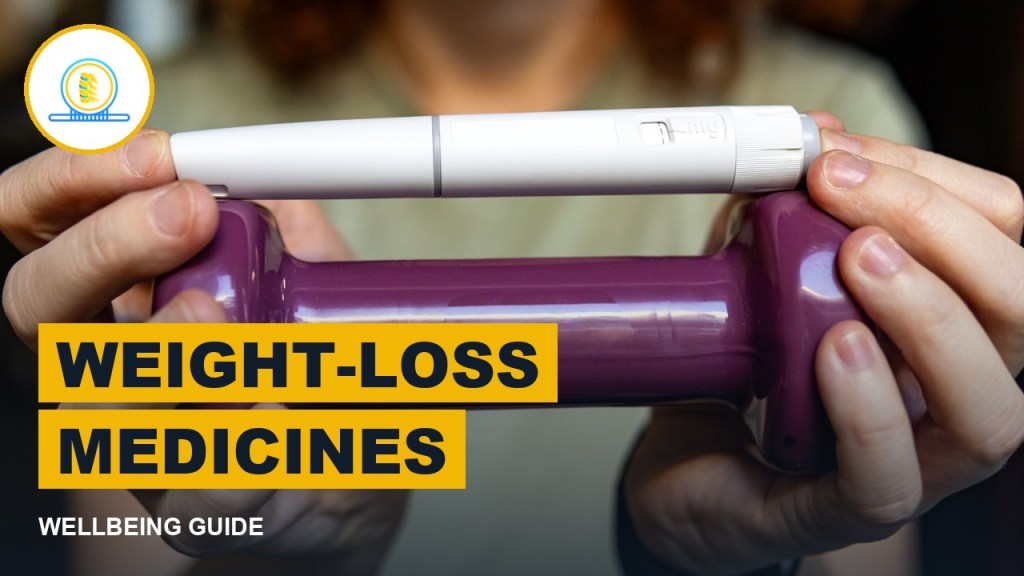
- GLP-1 medicines copy a natural gut hormone that makes you feel full. Newer dual-action medicines also act on a second gut hormone. They are prescription medicines for weight management and type 2 diabetes, given as injections and now also as a tablet.
- Carrying extra weight is linked with more back pain, sciatica and disc wear. Whether these medicines ease back pain is not yet known: there are no randomised trials in back pain, only small early studies.
- In people having spine surgery, studies so far have not found more wound problems or infections in people taking these medicines. Some found better bone healing after fusion, but all of this evidence is observational.
- These medicines slow how fast your stomach empties, which matters for anaesthesia. Always tell your surgical team and anaesthetist you take one, and do not stop or change it without talking to them or your prescriber.
- Rapid weight loss of any kind takes some muscle with it. Strength exercise and enough protein help protect muscle and bone, and matter more as you get older.
Call 999 or go to A&E if you get sudden, severe pain in your tummy and:
- The pain is spreading to your back.
- You have bloating that does not go away or keeps coming back.
- You have a fast heartbeat or difficulty breathing.
- The skin around your belly button, waist or upper outer thigh looks blue or bruised. This may be harder to see on black or brown skin.
These can be signs of acute pancreatitis, a rare but serious side effect of these medicines.[1][2] Do not drive yourself to A&E. If you have back pain with numbness around your bottom or genitals, or new problems peeing or pooing, see our cauda equina syndrome guide and go to A&E.
What are GLP-1 medicines?
GLP-1 stands for glucagon-like peptide-1, a hormone your gut releases after you eat. GLP-1 medicines copy its action. They help you feel fuller for longer and reduce appetite, so you eat less.[3][2] Some newer medicines also act on a second gut hormone, called GIP, that is involved in appetite and blood sugar. In this guide we call these the dual-action medicines.[2]
You may see them called weight-loss injections or skinny jabs. Genuine products come as pre-filled injection pens or, more recently, as tablets. Not every medicine in this group is licensed for weight loss: some are licensed only for type 2 diabetes.[2] Like all medicines, they can cause side effects. The most common are feeling sick, being sick and diarrhoea, which are usually mild and short-lived but can sometimes lead to severe dehydration.[2]
Buying safely. These are prescription-only medicines. The medicines regulator, the MHRA, warns that pens or powders sold without a prescription may be fake or dangerous. The only way to be sure you get a genuine medicine is from a registered pharmacy, including online pharmacies, with a prescription from a healthcare professional.[2]
Weight and your back
Large pooled analyses link extra weight with a higher chance of low back pain[4] and sciatica.[5] MRI studies have found more disc wear in people who are overweight or obese. In one study of 2,599 adults, disc wear became more common and more severe as body mass index (BMI) rose.[6] A UK study of 1,634 people with back pain found obesity raised the odds of a slipped disc and of narrowing of the spinal canal (spinal stenosis).[7]
Part of the reason is load. In a computer model of the spine, an extra 12 kg of body weight raised the forces on the spine by about 12 in 100, and a larger waist at the same body weight raised them further.[8] These are associations and models, not proof that weight causes back pain. Plenty of people of a healthy weight have back pain too. Our weight and back pain guide covers this in more detail.
Does losing weight ease back pain?
Probably for some people, but the evidence is thin. A 2022 review found few trials of weight loss programmes for back pain, and most were small.[9] After weight loss surgery, back pain scores fell in every study in one review of 8 studies with 298 people.[10] A 2026 review of 13 studies with 390 people found pain fell from about 7 out of 10 before surgery to about 3 to 4 out of 10 after it, and some scans showed taller discs.[11] But most of these studies had no comparison group, so other factors may explain part of the improvement.
What the evidence shows for back pain and arthritis
Back pain
As of October 2026 we could not find any randomised trial testing these medicines for back pain. The best evidence is one small study of 35 adults with obesity and long-term back pain who started a GLP-1 medicine. Over a year their BMI fell by about 12 in 100 and their typical pain score fell from about 5 to 2 out of 10.[12] There was no comparison group, so it cannot show how much was due to the medicine. Another small study in people with diabetes and back pain found no extra loss of back muscle quality on MRI in those taking a GLP-1 medicine, but it may have been too small to detect a difference.[13]
Pain specialists writing in 2026 felt these medicines should not be seen as painkillers or as a replacement for standard back pain care, though they may have a place when weight is clearly adding to pain.[14] The WHO guideline on long-term low back pain advises against using weight loss medicines as a routine treatment for the back pain itself, based on very low certainty evidence.[15]
Osteoarthritis
There is more evidence for knee arthritis, and it is mixed. In a 68-week trial of 407 people with obesity and knee arthritis, people taking a GLP-1 medicine lost about 14 in 100 of their body weight, compared with about 3 in 100 on dummy injections, and their knee pain fell more. Both groups had diet and exercise advice. The trial was funded by the company that makes the medicine.[16] A 2026 analysis that pooled several studies found no significant change in knee arthritis pain, stiffness or function overall.[17] So the sources disagree. A scoping review found that most studies are recent and low level, evidence for the hip is sparse, and advised using these medicines as part of supervised joint care rather than on their own.[18]
No studies we found looked at arthritis of the spine (facet joint arthritis) or at sciatica directly.
If you are having spine surgery
More people having spine surgery now take these medicines, and several reviews have looked at how they do. All the studies are observational, mostly from large insurance or hospital databases, so they show links, not cause and effect.[19][20]
- Wound problems and infection. Reviews of 11 studies with 27,143 people[19] and 20 studies with 546,668 people[21] found no clear difference in wound infection between people who were taking these medicines and those who were not. A third review of 13 studies found no consistent difference in infection or wound problems.[22]
- Fusion (bone healing). Results range from no difference[19] to a lower risk of the bones failing to join[22] and higher fusion success.[21] The review that found a lower risk said this finding was uncertain, because the studies varied a lot.
- Differences between operations. A 2026 review found that results varied with the type of operation. Some studies of one type of lower back fusion found worse outcomes, and studies of fusion from the back of the neck gave conflicting results.[20]
- Nerve problems. One review found a possible trend towards more nerve injury in people taking these medicines that did not reach statistical significance.[22]
None of these studies were designed to say whether you should be taking one of these medicines before surgery. See our lumbar spinal fusion guide for more on fusion.
Anaesthesia and the advice before surgery
These medicines slow the emptying of your stomach. Under a general anaesthetic or deep sedation, this raises the risk that food or drink in the stomach could get into your airways and lungs.[2] In 2025, eight UK professional bodies for anaesthetists, surgeons, diabetes specialists and pharmacists published joint advice. In general terms, it says people taking these medicines should usually continue them before planned surgery, have a full assessment of their risk, and be given anaesthetic care that lowers the risk. It also says the risks and options should be discussed and decided with you.[23]
Advice differs between countries and between hospitals, and it may change as more evidence appears.[24] The MHRA advises telling your healthcare team, including the anaesthetist, that you take one of these medicines, and not stopping it without first discussing it with your doctor.[2]
Before any operation or procedure: tell your surgeon, pre-assessment nurse and anaesthetist that you take a GLP-1 or dual-action medicine, how often you take it and when you last took it. Follow the fasting and medicine instructions your hospital gives you. Do not stop, skip or change your medicine on your own.[2][23]
Possible downsides for your spine
Muscle
When you lose weight, some of what you lose is lean mass, which includes muscle as well as water, organs and bone.[25] How much of the weight lost on these medicines is lean mass varies a lot between studies:
- About 15 in 100 or less in some trials, and 40 to 60 in 100 in others, according to a 2024 review.[25]
- About 25 in 100, in a 2025 analysis of 22 trials.[26]
- About 30 in 100, in a 2025 analysis of placebo-controlled trials.[27]
- 25 to 39 in 100, depending on the medicine, in a 2026 analysis of 20 trials. This was similar to weight loss from diet and lifestyle changes (about 26 in 100), and lower when strength training was added (about 18 in 100).[28]
The 2024 review felt that the muscle lost is roughly what you would expect for the amount of weight lost, and that muscle quality may even improve, but warned that older people and people with more health problems are at higher risk of losing too much muscle.[25] A 2026 analysis rated the evidence on lean mass as low certainty and said it is not yet clear whether the loss affects strength or everyday function.[17] Your back and core muscles help support your spine, so this matters.
Bone
The evidence on bone is reassuring overall but not settled. A 2026 analysis found no significant effect on bone density or on fractures.[17] In people with type 2 diabetes, a pooled analysis of 44 trials found slightly fewer fractures with these medicines, but only with longer treatment.[29] One trial raises a caution: after weight loss, a GLP-1 medicine on its own reduced bone density at the hip and spine more than exercise on its own did, while the medicine combined with exercise kept bone density stable.[30]
Falls
We found little direct evidence on falls. In a pooled analysis of trials of one dual-action medicine, people aged 65 and over had no meaningful difference in falls or fractures compared with dummy treatment.[31] That analysis was funded by the manufacturer and the trials were not designed to study falls. Older people are more at risk of losing too much muscle, and sickness or diarrhoea can sometimes lead to severe dehydration.[25][2] If you have fallen or are worried about falling, strength and balance exercises can help.[32]
Strength exercise and protein
Expert groups in Europe and the United States agree that strength (resistance) exercise and enough protein should be part of treatment with these medicines, to help protect muscle and bone.[33][34] The 2026 trial analysis above found less lean mass was lost when strength training was added to weight loss.[28] Combining one of these medicines with exercise also protected bone density in the trial described above.[30]
- Strength exercise on at least 2 days a week, working the major muscle groups: legs, hips, back, tummy, chest, shoulders and arms. This can be weights, resistance bands, body weight exercises, Pilates or heavy gardening.[35]
- Add balance exercises if you are 65 or over, or if you are worried about falling.[32]
- Keep up regular activity, aiming for 150 minutes of moderate activity a week, and break up long spells of sitting.[35]
- Protein and a balanced diet. Smaller appetites can make it harder to eat enough protein, vitamins and minerals. Ask your prescriber or a dietitian how much protein is right for you.[33][34]
If you have back pain, a physiotherapist can help you build up safely. See our sport and exercise guide, physiotherapy guide and diet and spinal health guide.
What NICE says
NICE recommends these medicines for weight management, not for back pain. In general terms, its obesity guideline says:[36]
- Medicines should be considered only after diet, exercise and behaviour approaches have been started and reviewed.[36]
- They should always be used alongside a reduced-calorie diet and more physical activity, with support to make those changes.[36]
- Who can have them on the NHS depends on BMI and on having weight-related health conditions such as high blood pressure or type 2 diabetes. Lower BMI thresholds are used for people from South Asian, Chinese, other Asian, Middle Eastern, Black African or African-Caribbean backgrounds.[36][3]
- Some are prescribed only through specialist weight management services, usually for up to 2 years. One dual-action medicine can also be prescribed in general practice and is being made available in phases.[36][37]
- Treatment should be reviewed if less than 5 in 100 of starting weight has been lost after 6 months, and people stopping should be offered support to keep the weight off.[36]
What is still unknown
- Whether these medicines ease back pain or sciatica. Trials with a comparison group are needed.[12]
- Whether they change disc wear or spinal arthritis over time. No studies we found looked at this.
- Whether the loss of lean mass affects strength, balance and falls in the long term, especially in older people.[17][25]
- Their long-term effect on bone, particularly without exercise.[30][17]
- Whether they help or harm results of spine surgery. All the current evidence is observational.[19][20]
- The safest way to manage them around anaesthesia, which is still being studied.[23][24]
- What happens to the back after the medicine is stopped. Many people do not stay on them long term, and weight often comes back.[34]
When to speak to a doctor
Talk to your GP, prescriber or surgical team if:
- You are thinking about one of these medicines and have back pain, arthritis or a spinal condition.
- You have an operation, procedure or scan with sedation coming up. Tell the team you take one of these medicines well before the day.[2]
- You feel weaker, are finding everyday tasks harder, or have had a fall.
- You are losing weight very quickly, struggling to eat or drink enough, or have repeated sickness or diarrhoea.[2]
- You have had a fracture, or have been told you have thin bones (osteoporosis).
Ask for an urgent GP appointment or call NHS 111 if you have sudden, severe tummy pain that does not go away or keeps coming back, or you have a high temperature or feel hot, cold or shivery. Call 999 if the pain spreads to your back (see the red box above).[1] Suspected side effects can be reported to the MHRA Yellow Card scheme.[38]
Questions to ask
- Is a weight management medicine suitable for me, and what support comes with it?
- How might it affect my back pain or my planned spine surgery?
- What should I do about my medicine before my operation?
- How can I protect my muscles and bones while I lose weight?
- Should I see a physiotherapist or dietitian?
Frequently asked questions
Will a GLP-1 medicine cure my back pain?
No one knows yet. Extra weight is linked with back pain, and one small study found pain fell in people taking these medicines, but it had no comparison group.[4][12] There are no randomised trials in back pain, and the WHO advises against weight loss medicines as a routine treatment for back pain itself.[15]
Can I get one prescribed for my back pain?
In the UK they are prescribed for weight management or type 2 diabetes, not for back pain. NICE sets out who can have them on the NHS, based on BMI and weight-related health conditions, and always alongside diet and activity support.[36] Your GP can talk through whether you might be eligible.
Do I need to stop my weight-loss injection before spine surgery?
Do not stop it on your own. These medicines slow stomach emptying, which matters for anaesthesia.[2] UK guidance from eight professional bodies says, in general, that people should usually continue them, with a careful risk assessment and anaesthetic plan agreed with them.[23] Tell your surgical team and anaesthetist early, and follow your hospital’s instructions.
Will I lose muscle?
Some of the weight lost is lean mass, which includes muscle. Estimates range from about 15 in 100 or less to 60 in 100 of the weight lost, depending on the study.[25][28] Strength training reduced this in pooled trials.[28]
Are these medicines bad for my bones?
Overall, studies have not found a clear effect on bone density or fractures.[17] But in one trial, the medicine alone reduced bone density at the hip and spine more than exercise did, while combining it with exercise protected bone.[30]
What exercise should I do while taking one?
Aim for strength exercises on at least 2 days a week, plus regular activity such as walking. Add balance exercises if you are 65 or over.[35][32] If you have back pain, a physiotherapist can tailor a programme for you.
Is it safe to buy them online?
Only from a registered pharmacy with a prescription. The MHRA warns that products sold without one may be fake or dangerous.[2]
What happens if I stop taking it?
Many people do not stay on these medicines long term, and weight often comes back after stopping.[34] NICE says people stopping should be offered support to keep the weight off.[36] Keeping up strength exercise and activity helps protect your back whatever happens to your weight.
Share this guide

Show the QR code to someone, or send them the link:
References
- NHS. Acute pancreatitis. NHS website; page last reviewed 11 March 2026. Link
- Medicines and Healthcare products Regulatory Agency. GLP-1 medicines for weight loss and diabetes: what you need to know. GOV.UK; first published 5 June 2025, updated 5 February 2026. Link
- NHS. Overweight and obesity in adults. NHS website; page last reviewed 29 April 2026. Link
- Shiri R, Karppinen J, Leino-Arjas P, Solovieva S, Viikari-Juntura E. The association between obesity and low back pain: a meta-analysis. Am J Epidemiol. 2010;171(2):135-154. Link
- Shiri R, Lallukka T, Karppinen J, Viikari-Juntura E. Obesity as a risk factor for sciatica: a meta-analysis. Am J Epidemiol. 2014;179(8):929-937. Link
- Samartzis D, Karppinen J, Chan D, Luk KD, Cheung KM. The association of lumbar intervertebral disc degeneration on magnetic resonance imaging with body mass index in overweight and obese adults: a population-based study. Arthritis Rheum. 2012;64(5):1488-1496. Link
- Segar AH, Baroncini A, Urban JPG, Fairbank J, Judge A, McCall I. Obesity increases the odds of intervertebral disc herniation and spinal stenosis; an MRI study of 1634 low back pain patients. Eur Spine J. 2024;33(3):915-923. Link
- Ghezelbash F, Shirazi-Adl A, Plamondon A, Arjmand N, Parnianpour M. Obesity and obesity shape markedly influence spine biomechanics: a subject-specific risk assessment model. Ann Biomed Eng. 2017;45(10):2373-2382. Link
- Chen LH, Weber K, Mehrabkhani S, Baskaran S, Abbass T, Macedo LG. The effectiveness of weight loss programs for low back pain: a systematic review. BMC Musculoskelet Disord. 2022;23(1):488. Link
- Koremans FW, Chen X, Das A, Diwan AD. Changes in back pain scores after bariatric surgery in obese patients: a systematic review and meta-analysis. J Clin Med. 2021;10(7):1443. Link
- Aboushaala K, Ibrahim O, Ahmed N, et al. The effects of metabolic and bariatric surgery on spinal alignment, radiological, and clinical outcomes in morbidly obese patients with LBP: a systematic review and meta-analysis. Spine J. 2026;26(5):968-980. Link
- Benedict B, White-Gilliam D, Pradhan A, et al. Impact of GLP-1 receptor agonists on chronic low back pain in patients with obesity: a prospective pilot cohort study. Pain Med. 2026; online ahead of print (figures quoted from the abstract of the preprint version, medRxiv 2026, PMID 42238413). Link
- Zadeh AT, Chiapparelli E, Amoroso K, et al. GLP-1 agonist use is not associated with a reduction of paraspinal muscle quality in diabetic patients with low back pain: a retrospective cohort study. HSS J. 2026;22(4):15563316261446300. Link
- Hasoon J, Nguyen A, Viswanath O, Urits I, Robinson CL. GLP-1-based therapies in pain medicine: a narrative review and expert opinion on obesity-related low back and knee pain. Curr Pain Headache Rep. 2026;30(1):105. Link
- World Health Organization. WHO guideline for non-surgical management of chronic primary low back pain in adults in primary and community care settings. Geneva: WHO; 2023. Link
- Bliddal H, Bays H, Czernichow S, et al. Once-weekly semaglutide in persons with obesity and knee osteoarthritis. N Engl J Med. 2024;391(17):1573-1583. Link
- Beaudart C, Malréchauffé Y, van Heden S, et al. GLP-1 receptor agonists and musculoskeletal outcomes: a systematic literature review and meta-analysis. Drugs. 2026;86(10):1661-1691. Link
- McCann CJ, Clement ND, Murray A, et al. GLP-1 receptor agonists and weight-loss strategies for individuals with obesity and hip or knee osteoarthritis: a scoping review. Br J Sports Med. 2026;60(17):1325-1338. Link
- Ibrahim S, Durrani A, Ibrahim MT, et al. Glucagon-like peptide-1 receptor agonist use does not impact spine surgery outcomes: a systematic review and meta-analysis. Global Spine J. 2026;16(5):2468-2477. Link
- Ferraz VR, Dawoud B, Mercier PA, Mattei TA. GLP-1 receptor agonists in elective spine surgery: a systematic review of fusion outcomes, perioperative safety, and procedure-specific risk. N Am Spine Soc J. 2026;28:100942. Link
- Muthu S, Viswanathan VK, Kolarpatti Ponnusamy DV, et al. Can glucagon-like peptide-1 receptor agonists affect outcomes after spine surgery? A systematic review and meta-analysis. Eur Spine J. 2026; online ahead of print. Link
- Ononogbu-Uche FC, Toussaint F, Saleh AW, et al. Do GLP-1 agonists affect perioperative risk in spine surgery? A systematic review and meta-analysis. N Am Spine Soc J. 2026;25:100835. Link
- El-Boghdadly K, Dhesi J, Fabb P, et al. Elective peri-operative management of adults taking glucagon-like peptide-1 receptor agonists, glucose-dependent insulinotropic peptide agonists and sodium-glucose cotransporter-2 inhibitors: a multidisciplinary consensus statement. Anaesthesia. 2025;80(4):412-424. Link
- Oprea AD, Ostapenko LJ, Sweitzer B, et al. Perioperative management of patients taking glucagon-like peptide 1 receptor agonists: Society for Perioperative Assessment and Quality Improvement (SPAQI) multidisciplinary consensus statement. Br J Anaesth. 2025;135(1):48-78. Link
- Neeland IJ, Linge J, Birkenfeld AL. Changes in lean body mass with glucagon-like peptide-1-based therapies and mitigation strategies. Diabetes Obes Metab. 2024;26 Suppl 4:16-27. Link
- Karakasis P, Patoulias D, Fragakis N, Mantzoros CS. Effect of glucagon-like peptide-1 receptor agonists and co-agonists on body composition: systematic review and network meta-analysis. Metabolism. 2025;164:156113. Link
- Beavers KM, Cortes TM, Foy CM, et al. GLP1Ra-based therapies and DXA-acquired musculoskeletal health outcomes: a focused meta-analysis of placebo-controlled trials. Obesity (Silver Spring). 2025;33(2):225-237. Link
- Eisa N, Barood O. Lean mass changes with incretin therapy versus lifestyle intervention: a systematic review and meta-analysis of randomised controlled trials. Diabetes Obes Metab. 2026;28(6):4818-4827. Link
- Zhang Y, Chen G, Wang W, Yang D, Zhu D, Jing Y. Association of glucagon-like peptide-1 receptor agonists use with fracture risk in type 2 diabetes: a meta-analysis of randomized controlled trials. Bone. 2025;192:117338. Link
- Jensen SBK, Sørensen V, Sandsdal RM, et al. Bone health after exercise alone, GLP-1 receptor agonist treatment, or combination treatment: a secondary analysis of a randomized clinical trial. JAMA Netw Open. 2024;7(6):e2416775. Link
- Alfaris N, et al. Tirzepatide for obesity in adults ≥ 65 years: a post hoc analysis of the SURMOUNT and SUMMIT clinical trials. Diabetes Obes Metab. 2026;28(9):8072-8083. Link
- NHS. Physical activity guidelines for older adults. NHS website; page last reviewed 15 August 2024. Link
- Dobbie LJ, Tolvanen L, Alves D, et al. Nutritional, functional, and psychological considerations for incretin-based therapies in adults: an EASO, EFAD, and ECPO consensus statement. Lancet Diabetes Endocrinol. 2026;14(9):754-777. Link
- Mozaffarian D, Agarwal M, Aggarwal M, et al. Nutritional priorities to support GLP-1 therapy for obesity: a joint Advisory from the American College of Lifestyle Medicine, the American Society for Nutrition, the Obesity Medicine Association, and The Obesity Society. Am J Clin Nutr. 2025;122(1):344-367. Link
- NHS. Physical activity guidelines for adults aged 19 to 64. NHS website; page last reviewed 22 May 2024. Link
- National Institute for Health and Care Excellence. Overweight and obesity management (NG246), section 1.17 Medicines for overweight and obesity. Published 14 January 2025, last updated 8 January 2026. Link
- National Institute for Health and Care Excellence. Technology appraisal guidance TA1026: a dual-action medicine for managing overweight and obesity. December 2024. Link
- Medicines and Healthcare products Regulatory Agency. MHRA updates guidance for GLP-1 prescribers and patients. GOV.UK news; 29 January 2026. Link
This article is general information and is not a substitute for advice about your own situation. Please speak to your GP or specialist before making any change to your treatment.
Last checked: October 2026

